



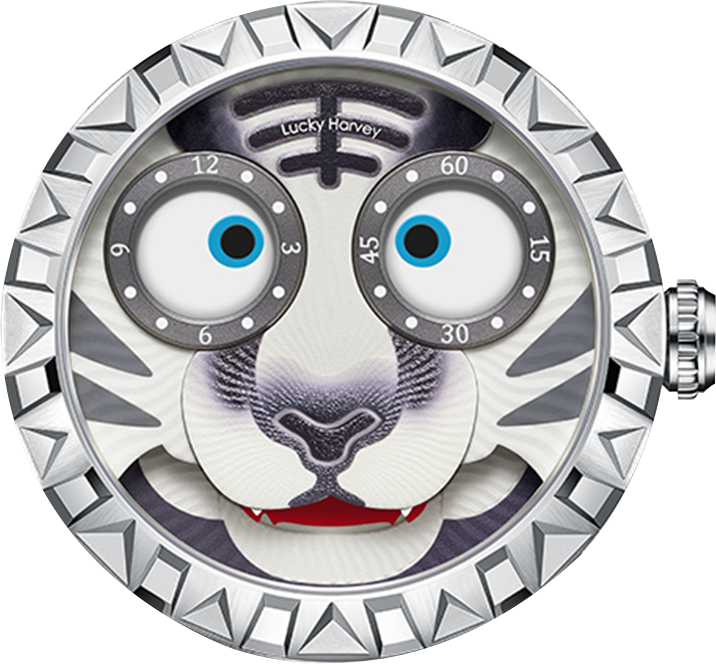
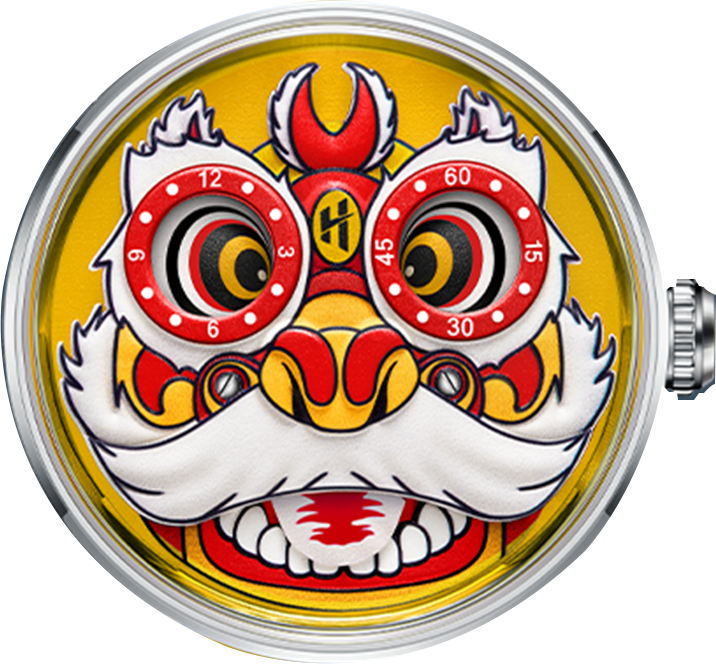
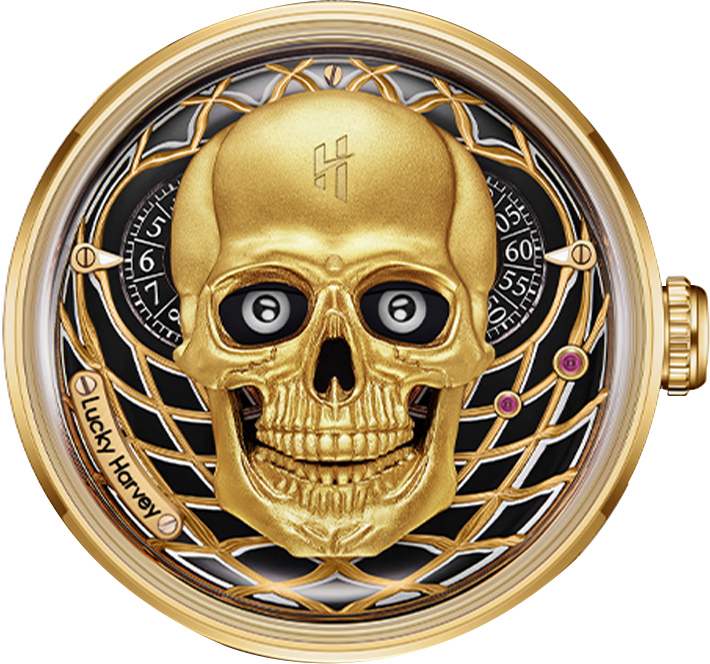

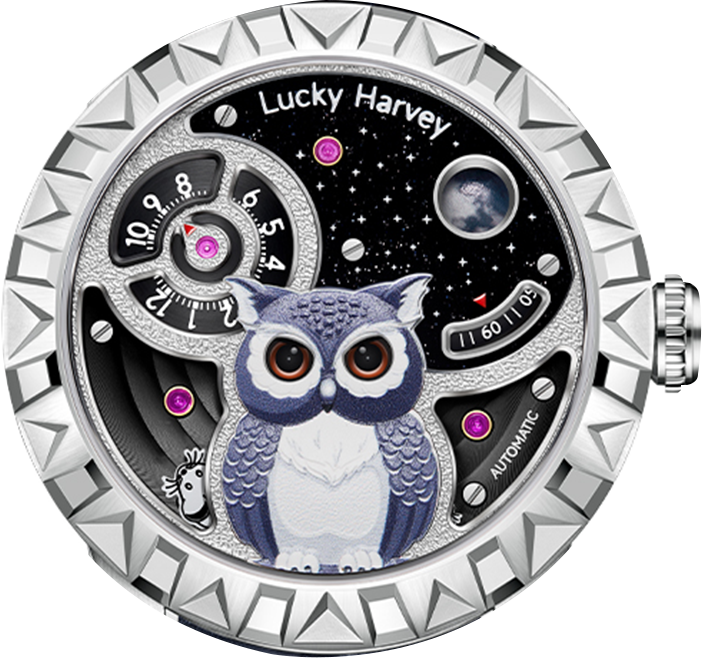

For most of horological history, the back of a watch was a closed metal cover — functional, anonymous, hidden against the skin. The movement inside was sealed away, seen only by the watchmaker who serviced it. Then in the late 20th century, something shifted. Watchmakers started cutting circular windows into their casebacks and replacing the metal with sapphire crystal. They had decided that the most beautiful thing about a luxury watch was not the dial — it was the engineering inside.
The exhibition caseback was born. And once you have owned one, no closed-back watch ever feels quite the same.
What Is an Exhibition Caseback?
An exhibition caseback — also called an open caseback, display back, or see-through back — is a watch caseback fitted with a transparent window (almost always sapphire crystal) that allows you to see the movement of the watch from underneath. Instead of looking at a flat piece of stainless steel when you take the watch off your wrist, you see gears, springs, bridges, jewels, and a rotor swinging back and forth in real time.
It is, fundamentally, a celebration. The exhibition caseback says: this movement is beautiful enough to be looked at.
The Brief History of the Display Back
Watchmakers in the 17th and 18th centuries occasionally crafted pocket watches with crystal backs, but these were rare curiosities. The exhibition caseback as we know it today is largely a product of the post-quartz-crisis era.
In the 1970s and 1980s, mechanical watches were widely thought to be dying. Cheap quartz watches kept perfect time at a fraction of the price, and the entire Swiss industry nearly collapsed. The survivors decided to fight back not on accuracy but on craftsmanship. If the public could not appreciate a mechanical watch from the outside, the thinking went, perhaps they could be shown what was inside.
By the 1990s, exhibition casebacks had become standard on premium mechanical watches across nearly every major Swiss brand. Today, a closed caseback on an automatic luxury watch is almost an act of restraint — usually reserved for sports watches that need extra water resistance or for heritage models that honour the closed-back tradition.
What You Can See Through an Exhibition Caseback
The first time you turn an automatic watch over and watch the rotor swing, it is hard not to smile. Here is what you are actually looking at.
The Rotor
The rotor is the half-moon-shaped weight that pivots around the centre of the movement. As you move your wrist, the rotor spins, winding the mainspring through a series of gears. On premium watches, the rotor is often skeletonised, engraved, or even made of solid gold — turning a functional component into a piece of decorative art.
The Bridges
The bridges are the plates that hold the gear train in place. On a basic movement, they are stamped and unfinished. On a high-end movement, they are perlage (decorated with overlapping circular patterns), Côtes de Genève (parallel ridges that catch the light), or hand-engraved. The quality of bridge finishing is the single best indicator of how much craftsmanship went into the movement.
The Balance Wheel
The balance wheel is the heart of the watch — the small wheel oscillating back and forth at the edge of the movement, usually at 28,800 vibrations per hour (4 Hz). This is what makes the watch tick. Through an exhibition caseback, you can see it ticking in real time — a hypnotic, mesmerising motion that has been called the closest thing to a mechanical heartbeat.
The Jewels
Synthetic ruby jewels are pressed into the bridges at high-friction pivot points to reduce wear. Look for the tiny red dots scattered across the movement — each one is a jewel, and a higher jewel count generally indicates a more refined movement.
What Makes a Great Exhibition Caseback
Not all exhibition casebacks are created equal. The difference between a forgettable display back and a transcendent one comes down to four things.
1. Movement decoration. An undecorated movement looks industrial under glass — grey, flat, uninspiring. A movement with Côtes de Genève striping, blued screws, and chamfered bridges looks like jewellery. This is where you see the difference between a ₹50,000 watch and a ₹1,80,000 watch.
2. Rotor design. A plain metal rotor is functional but boring. A skeletonised rotor reveals more of the movement underneath. An engraved or gold-applique rotor adds a layer of personalisation. Some makers, including Lucky Harvey, use custom-engraved rotors as a signature.
3. Crystal quality. A cheap mineral-glass display back will scratch within months from belt buckles and pocket contents. A sapphire crystal caseback stays clear for decades. Always ask before buying.
4. Sealing. The trade-off of an exhibition caseback is water resistance. A screw-down sapphire caseback with double O-ring seals will hold 10 ATM. A press-fit display back may only manage 3 ATM. For a daily-wear watch in India's humidity, screw-down is non-negotiable.
Exhibition Casebacks in Lucky Harvey Watches
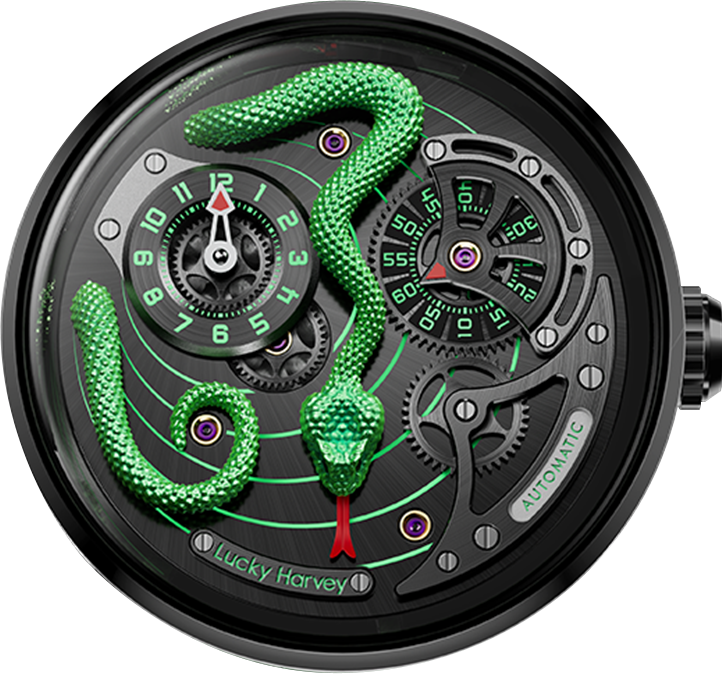
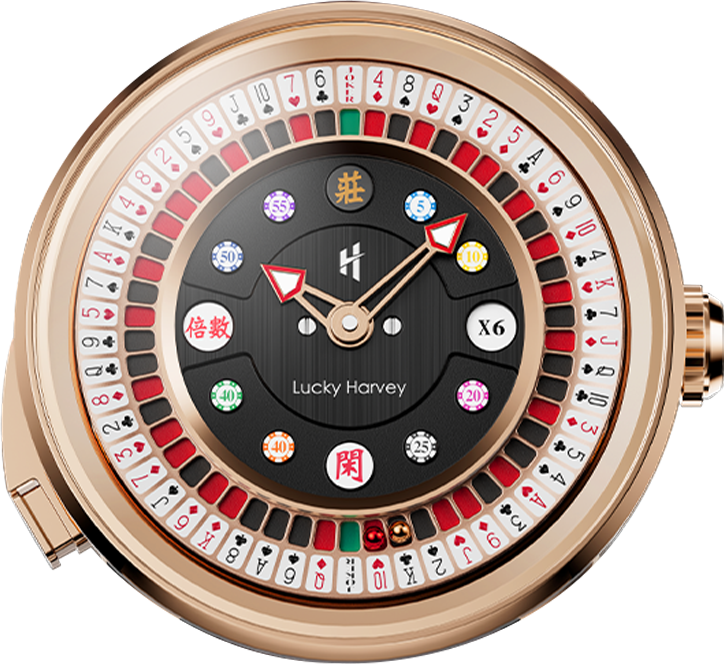
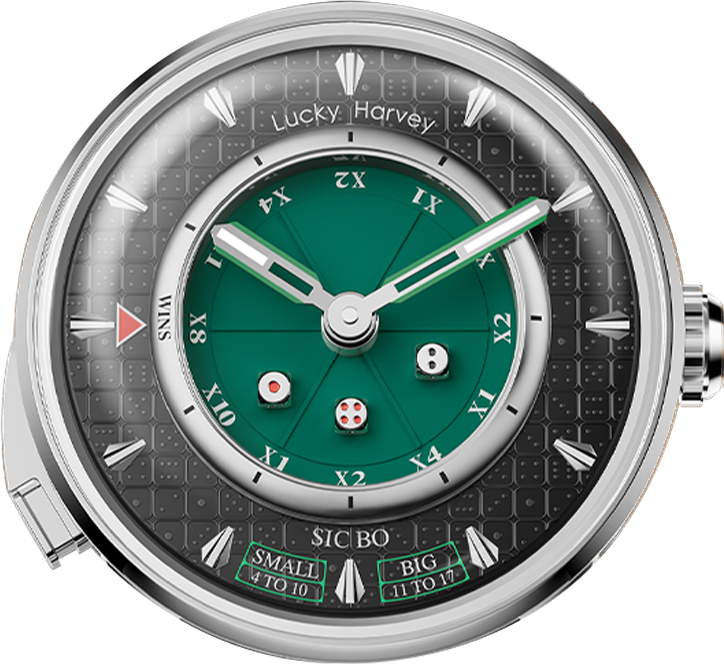
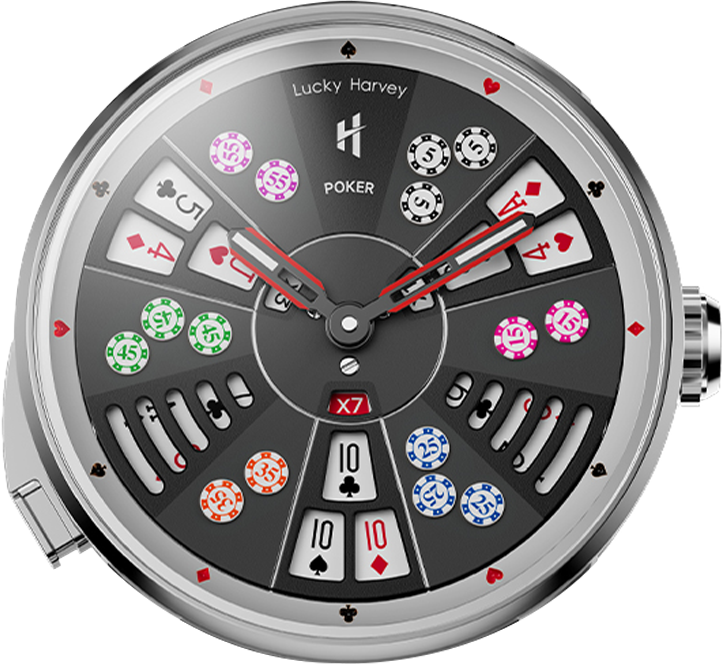
Every watch in the Lucky Harvey exhibition caseback collection features a sapphire crystal display back over a hand-decorated automatic movement. The bridges are finished with Côtes de Genève, the screws are heat-blued, and the rotor is engraved with the Lucky Harvey logo.
For collectors who want to see the movement and the dial mechanism, our skeleton dial watches combine an exhibition caseback with an openworked dial — letting you see the movement from both sides of the watch simultaneously.
The Trade-Offs
Exhibition casebacks are not perfect. Buyers should be aware of three honest trade-offs.
Water resistance: An exhibition caseback usually maxes out around 10 ATM (100 metres). For most wearers, this is plenty. For serious divers, a closed steel caseback is more secure.
Impact protection: A solid steel caseback can take a hit better than sapphire crystal. If you do heavy manual work, a closed back is more practical.
Comfort against the skin: Sapphire crystal feels cooler against the wrist than steel — some people love this, some find it unfamiliar. It is a personal preference, not a flaw.
How to Care for an Exhibition Caseback
The biggest risk to a display back is not water — it is belt buckles, desk edges, and trouser pockets. A few habits will keep yours looking new.
Wipe the caseback with a microfibre cloth after every wear. Skin oils and humidity will leave a film that dulls the sapphire.
Store the watch face-down when possible. Most watch boxes are designed to cradle the watch with the dial facing up — fine for display, but the caseback rests against fabric all night.
Avoid wearing the watch directly against belt buckles and bag straps. Sapphire is hard, but the AR coating around the movement decoration is not, and repeated metal contact can scuff the visible movement view over time.
Service the watch every 4–5 years. A dirty movement looks dirty under a display back — dust and dried lubricant on the bridges are visible through the sapphire.
Frequently Asked Questions
Is an exhibition caseback waterproof?
Yes, if properly sealed. A screw-down sapphire caseback with proper gaskets will hold 10 ATM (100 metres) of water pressure — plenty for swimming and showering.
Can an exhibition caseback be replaced with a solid one?
Yes, if the watch was originally available with both options. The replacement requires a watchmaker and may affect resale value.
Why are some luxury watches still made with closed backs?
Tool watches (divers, military, pilot watches) often keep closed backs for extreme water resistance and impact protection. Heritage models sometimes keep closed backs to honour vintage tradition.
Does the exhibition caseback increase the price of the watch?
Marginally, yes. Sapphire crystal and proper sealing add about ₹4,000–10,000 to manufacturing cost. The bigger price impact comes from the movement decoration that is now visible — a manufacturer cannot ship an undecorated movement under a display back.
Can I show off the movement to others?
That is exactly the point. Take the watch off, hand it to a friend, let them turn it over. A good exhibition caseback is a conversation piece.
A Window Worth Looking Through
The exhibition caseback is the most generous decision a watchmaker can make. It says: we are confident in the engineering you are buying, and we want you to see it. In an industry full of marketing and surface gloss, that confidence is rare and worth seeking out.
If you have only ever owned closed-back watches, your first exhibition caseback will change something for you. The watch stops being a tool and starts being an object — something to look at, to admire, to keep returning to. That, ultimately, is what makes a luxury watch a luxury watch.
See the Movement
Browse Lucky Harvey's exhibition caseback collection — each with sapphire crystal display back over a hand-decorated automatic movement.
Exhibition Caseback WatchesSkeleton Dial Watches