





It is the most overlooked component in a luxury watch. You stare at it every time you check the time. You touch it every time you brush past a doorframe, a desk, a steering wheel. And yet most buyers never ask what their watch crystal is actually made of — even though it is one of the single biggest decisions affecting how a watch will look five years from now.
This guide breaks down the three watch crystal materials — acrylic, mineral glass, and sapphire crystal — in plain language, with the engineering facts that matter and the pricing reality of why most watches under ₹20,000 still ship with the wrong one.
The Three Watch Crystal Materials
Every watch made today uses one of three materials to cover the dial. The choice of which is, surprisingly, a strong signal of the brand's price tier and quality philosophy.
1. Acrylic Crystal (Hesalite)
Acrylic is essentially a hard plastic. It dominated the watch industry from the 1930s to the 1980s and is still used today on certain heritage and tool watches — most famously the Omega Speedmaster Moonwatch, which retains its acrylic crystal because it does not shatter in zero gravity.
Pros: Cheap, impact-resistant, can be polished at home with toothpaste or Polywatch.
Cons: Scratches if you breathe on it. Yellows with sun exposure. Distorts light slightly.
Hardness on the Mohs scale: 2–3 (about the same as a human fingernail).
2. Mineral Glass
Mineral glass is hardened silicate glass — the same family as the glass in your kitchen window, but tempered for impact resistance. Mineral glass became standard on mid-range watches from the 1970s onwards and is still used by most fashion watches today.
Pros: Better scratch resistance than acrylic. Cheap to manufacture. Reasonably clear.
Cons: Scratches easily compared to sapphire. Once scratched, cannot be polished out — the crystal must be replaced. Can chip on hard impact.
Hardness on the Mohs scale: 5–6 (about the same as a steel knife blade).
3. Sapphire Crystal
Sapphire crystal is synthetic sapphire — crystallised aluminium oxide grown in a laboratory under extreme heat and pressure. It is the same material as the gemstone, manufactured in large boules that are then sliced and shaped into watch crystals. This is the standard on every serious luxury watch made today.
Pros: Almost completely scratch-proof in daily use. Optically pure. Resistant to chemicals and UV. Lasts indefinitely.
Cons: Expensive to manufacture. More brittle than mineral glass under sharp impact (can crack from a direct blow that mineral glass might survive).
Hardness on the Mohs scale: 9 (only diamond is harder).
The Mohs Scale: Why It Matters
The Mohs scale of hardness is the simplest way to understand why sapphire crystal is such a leap. The scale runs from 1 (talc) to 10 (diamond), and each step up represents an exponential increase in hardness — not a linear one.
A material can only be scratched by something equal to or harder than itself. The everyday objects that scratch watch crystals — keys, coins, steel surfaces, sand, granite countertops — sit between 5 and 7 on the Mohs scale. That is exactly why:
- Acrylic (Mohs 2–3) scratches against everything.
- Mineral glass (Mohs 5–6) scratches against keys and sand.
- Sapphire crystal (Mohs 9) survives essentially everything except diamond.
If you wear your watch daily, in normal conditions, sapphire crystal is the only material that will look the same in five years as it does today.
Anti-Reflective Coating: The Other Half of the Equation
The crystal itself is only half the story. The other half is what is on it. Most premium sapphire crystals are coated with one or more layers of anti-reflective coating — typically magnesium fluoride or a multi-layer dielectric stack — that dramatically reduces glare.
There are three coating configurations:
No coating: The crystal acts as a mirror in bright light, making the dial hard to read at angles.
Single-sided coating (usually the underside): Improves readability but leaves outer reflections.
Double-sided coating: The gold standard. Makes the crystal nearly invisible and gives the dial that floating, three-dimensional look that defines a high-end timepiece.
When evaluating a luxury watch, tilt it under direct light. If reflections wash out the dial, the crystal is either not sapphire or is missing AR coating.
The Counterfeit Test
One of the easiest ways to spot a counterfeit luxury watch is to test the crystal. Sapphire conducts heat differently than mineral glass — it feels noticeably colder to the touch and stays cold longer. It is also far harder; a single drop of water beaded on sapphire will hold its shape much longer than on mineral glass.
The most reliable test (which we do not recommend on a watch you actually want to keep): a steel pocket knife will scratch mineral glass and acrylic instantly. It will leave no mark on sapphire.
Sapphire Crystal in Lucky Harvey Watches
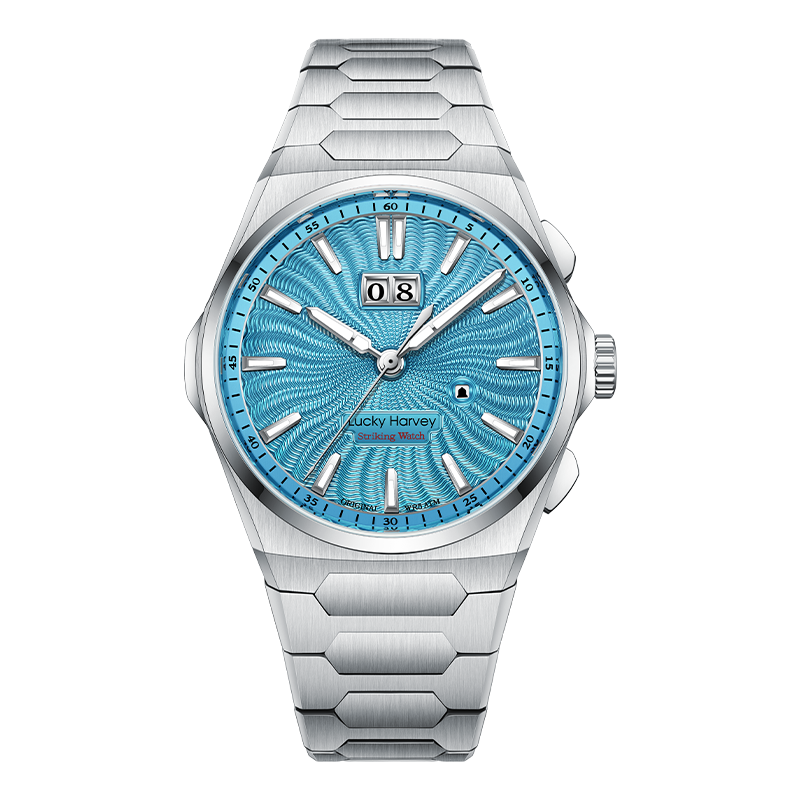
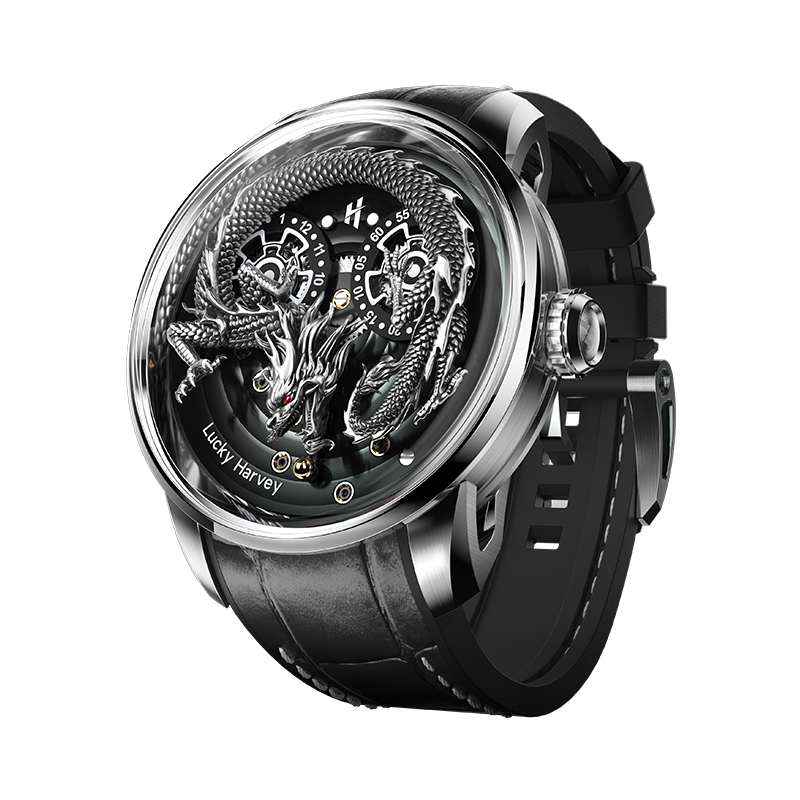
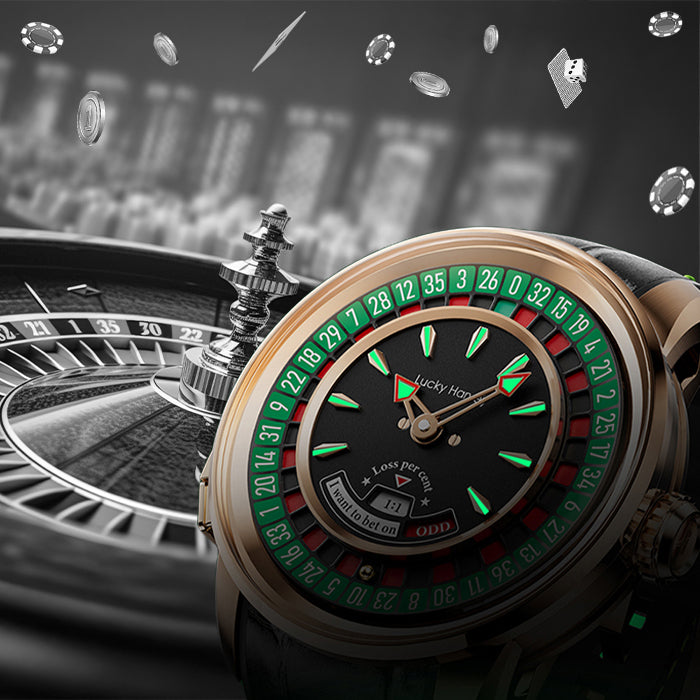
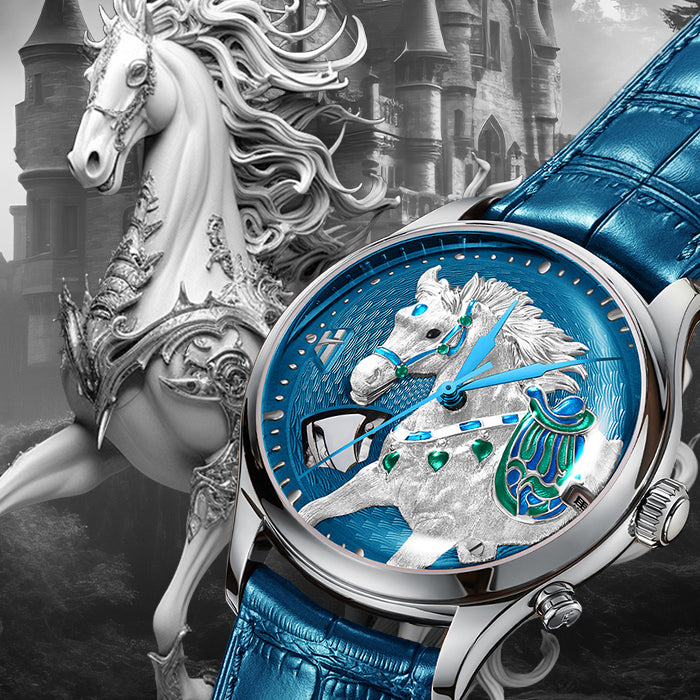
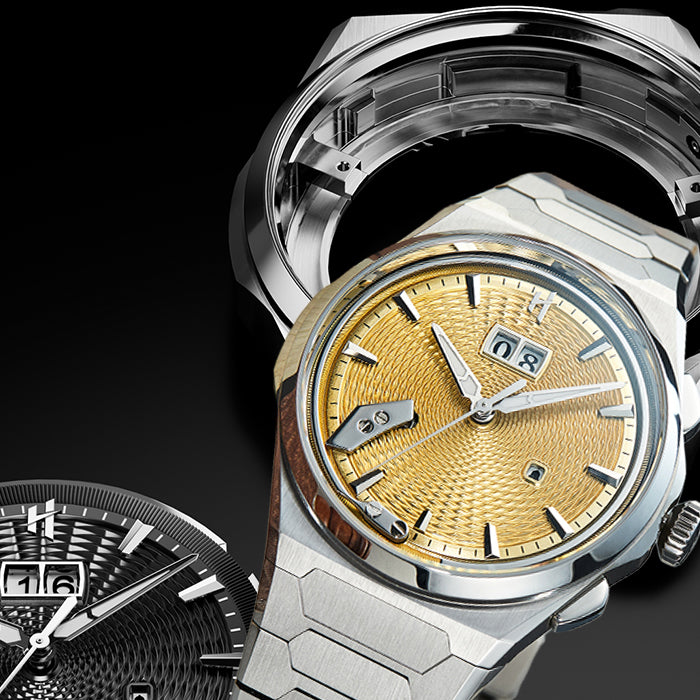
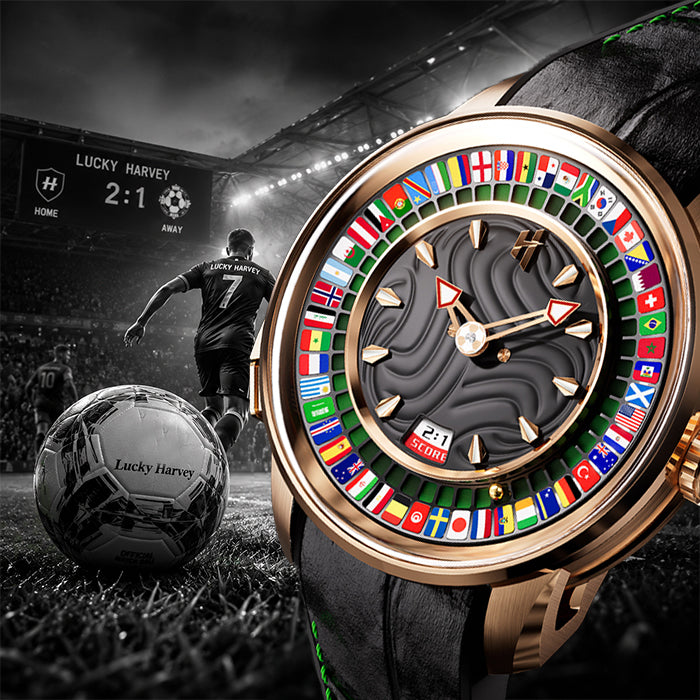
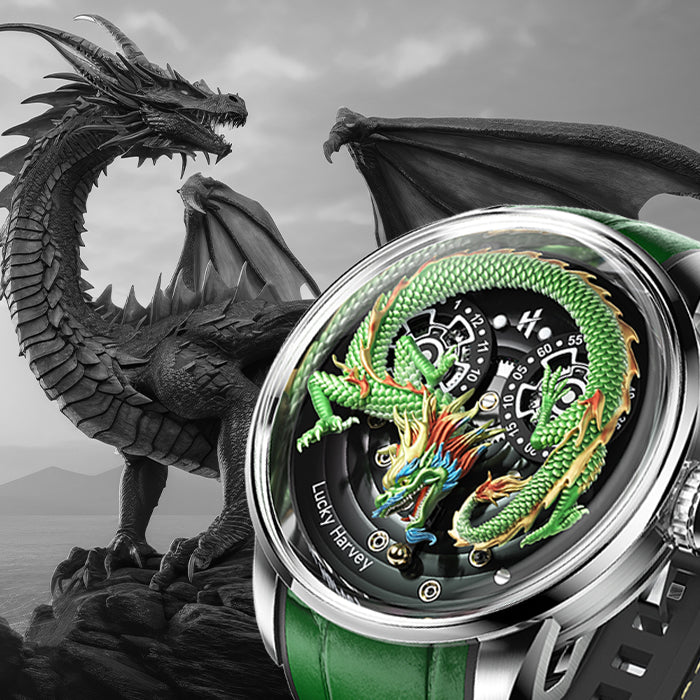
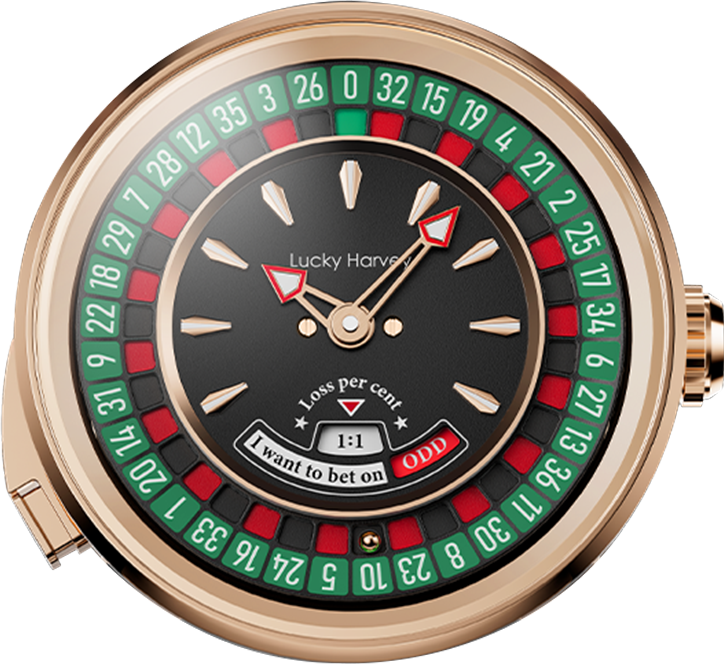
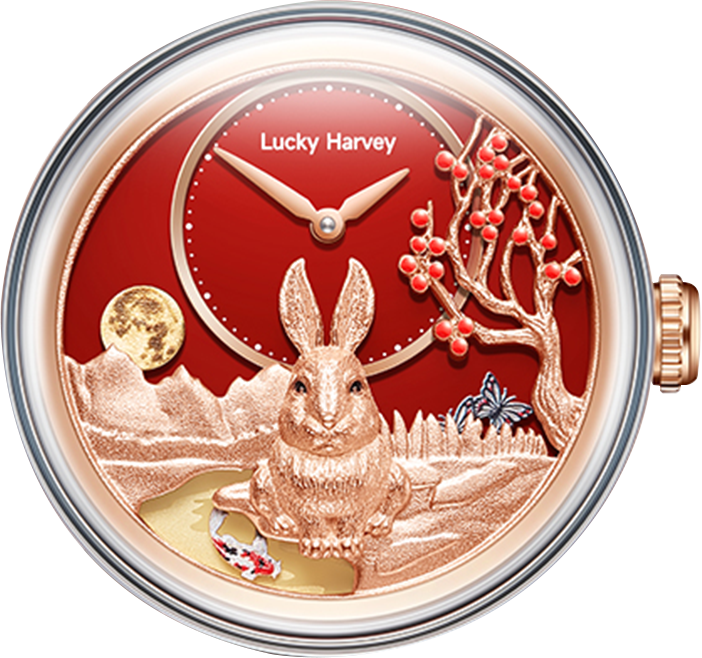
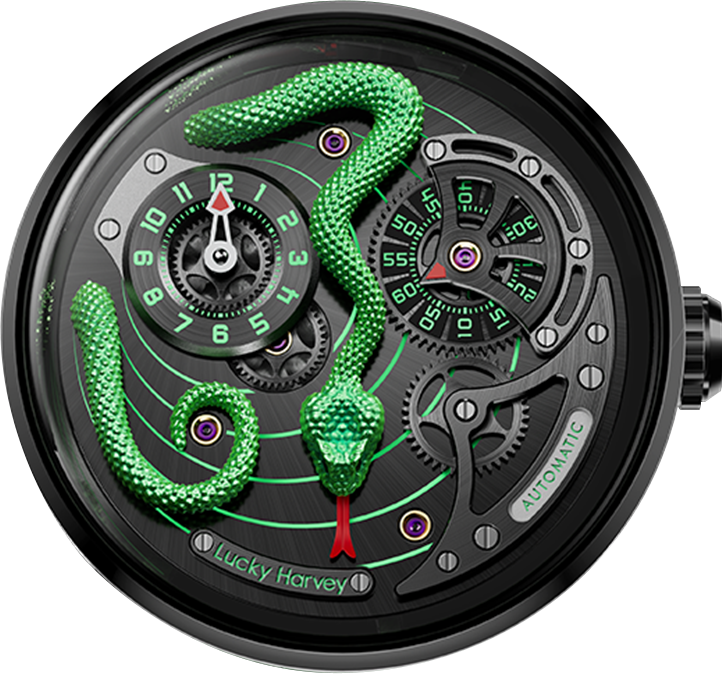
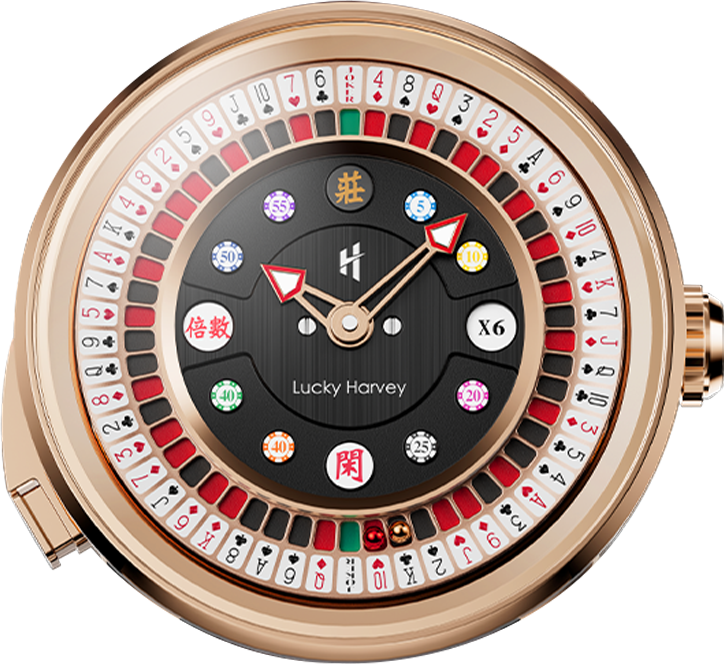
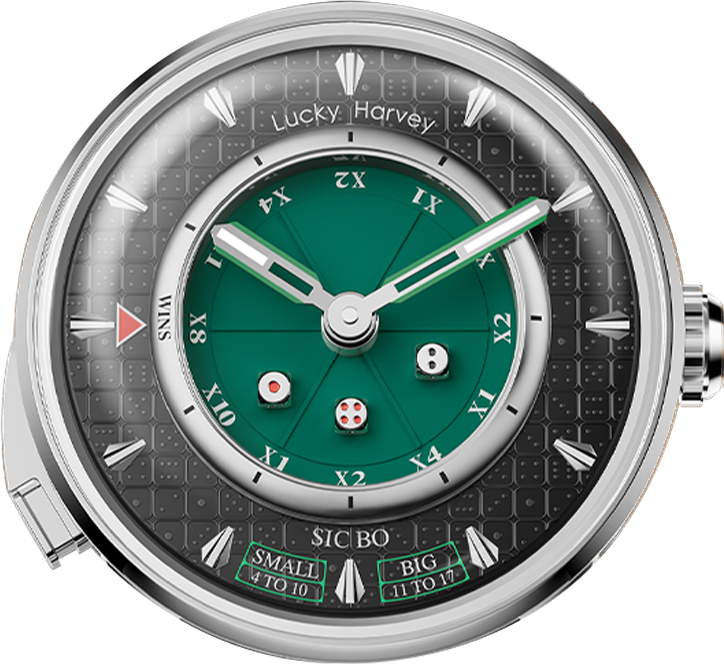
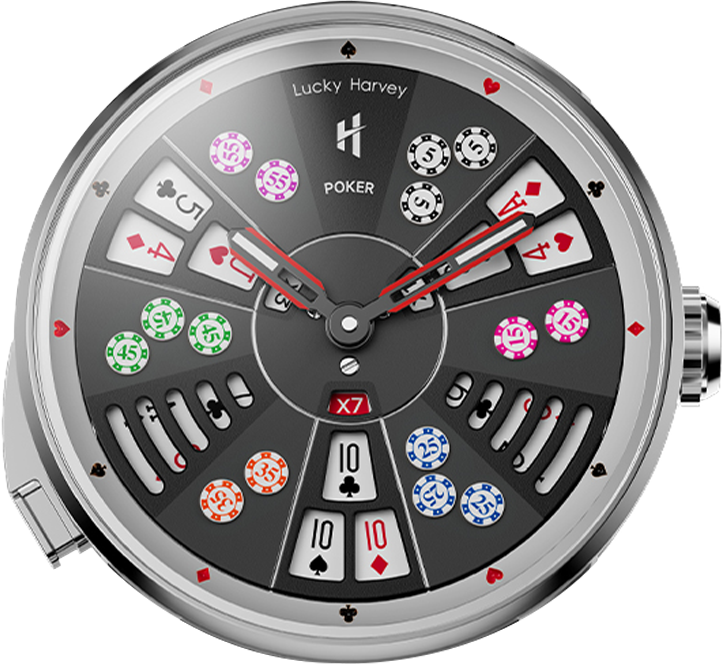
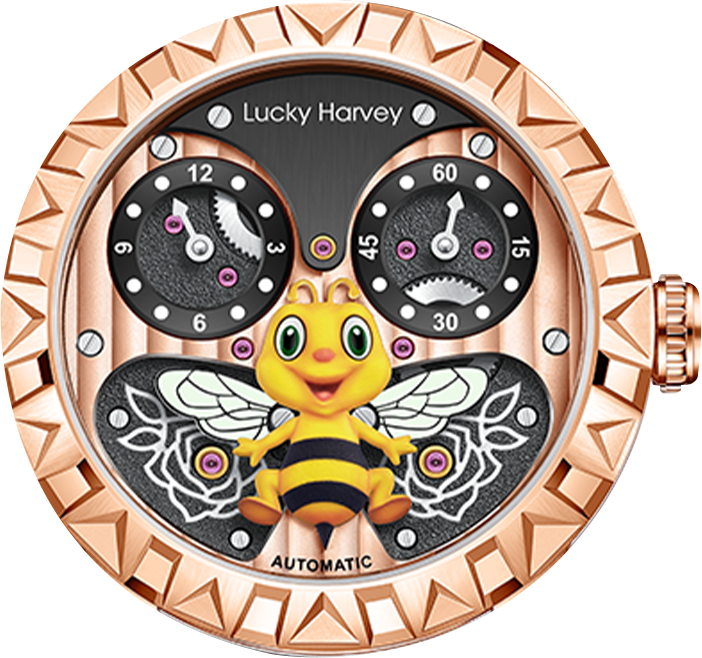
Every Lucky Harvey timepiece in the sapphire crystal collection ships with double-coated sapphire crystal as standard. This is not an upgrade or an option — it is the baseline. We hold this position because we believe a watch that costs more than ₹1 lakh has no business shipping with anything less than the most durable crystal on the market.
Sapphire crystal also appears on the caseback of our exhibition caseback watches, allowing you to see the automatic movement working underneath without sacrificing scratch protection.
What About the Edge Treatment?
A detail almost no one discusses: the edge of the crystal where it meets the bezel. On budget sapphire watches, the edge is left flat and sharp. On luxury watches, the edge is chamfered, beveled, or domed — the crystal curves up at the edge, which dramatically affects how light plays across the dial and how the watch sits visually on the wrist.
A box-shaped (cushion) sapphire crystal with a sharp 90-degree edge is one of the most expensive crystals to manufacture and is found on collector-grade watches. A flat sapphire is the modern norm. A domed sapphire has a vintage feel and is preferred on heritage-inspired pieces.
Care and Cleaning
Sapphire crystal needs very little maintenance — but a few practices will keep it pristine.
Clean with a microfibre cloth. Paper towels and tissues have wood fibre that can leave micro-scratches on the AR coating (not the sapphire itself, which is harder than paper).
Avoid contact with diamond jewellery. Diamond is the only material that will scratch sapphire. Be especially careful with diamond rings and tennis bracelets on the same wrist.
Address chips immediately. Sapphire is brittle. A small chip can propagate into a full crack over time. Have the crystal replaced rather than continuing to wear a damaged watch.
Reapply AR coating during service. AR coating can wear down after 5–10 years of daily wear. Most watchmakers will refresh it during a full service.
Frequently Asked Questions
Is sapphire crystal scratch-proof?
In everyday use, yes. Only diamond and a few industrial abrasives can scratch sapphire. Keys, coins, sand, and steel surfaces will not.
Can sapphire crystal break?
Yes, under a sharp, direct impact. Sapphire is hard but brittle. It can chip or crack from a hammer-style blow that mineral glass might absorb.
Why do some luxury watches still use acrylic?
Tradition and tool-watch heritage. The Omega Speedmaster keeps acrylic because it is unbreakable in zero gravity. Some Tudor and Longines heritage models keep acrylic for the vintage feel.
Does sapphire crystal affect water resistance?
Only indirectly. Water resistance comes from the gaskets sealing the crystal to the case. A well-mounted sapphire crystal will hold a 10 ATM seal exactly as well as mineral glass.How much does it cost to replace a sapphire crystal?
Typically ₹6,000 to ₹18,000 depending on the watch, including refitting. Less than the cost of regretting a cheap mineral-glass watch every time you see a scratch.
The Right Standard for a Luxury Watch
When you buy a luxury watch, you are buying something that should outlast trends, outlast your phone, and possibly outlast you. The crystal is what stands between your investment and every doorframe, key chain, and granite countertop you encounter for the rest of your life.
Insist on double-coated sapphire. There is no good reason to settle for less.
Browse Watches with Sapphire Crystal
Every watch in the Lucky Harvey collection ships with double-coated sapphire crystal as standard — the same material used by every major Swiss luxury maker.
Shop Sapphire CrystalExhibition Casebacks