





Of every complication a watchmaker can add to a movement, the moonphase is the most poetic. It does not make you more productive. It does not tell you the date faster. It does not help you catch a train. What it does is far more interesting — it ties your wrist to a cycle that has governed tides, calendars, festivals, and farming for as long as humans have looked up at the sky.
This guide walks you through everything you need to know about moonphase watches: what the complication actually does, how the tiny mechanism inside works, why even a 0.5-second-per-day error matters, and how to choose the right moonphase watch for your collection in India.
What Is a Moonphase Watch?
A moonphase watch is a timepiece with a small aperture — usually on the dial near 6 o'clock — that displays the current phase of the moon. As the lunar cycle progresses through new moon, first quarter, full moon, and last quarter, the disc inside slowly rotates, showing the moon's actual appearance in the sky on any given night.
It is one of the oldest mechanical complications in horology. Pocket watches with moonphase displays existed in the 17th century, when sailors and farmers genuinely needed to track the lunar cycle for tides and planting. Today the moonphase has shed its utility and become something more interesting: a quiet, beautiful reminder that the universe runs on its own schedule.
The Science: A 29.5-Day Cycle
The moon completes one full cycle — from new moon back to new moon — every 29.530588 days. That awkward decimal is the entire engineering challenge of a moonphase watch.
A traditional moonphase mechanism uses a 59-tooth gear that advances by one tooth every 24 hours. Since 59 is 2 × 29.5, this drives a disc that shows two moons (one for each cycle), giving a reasonably accurate display of the lunar phase. But because the actual cycle is 29.530588 days, this simple mechanism drifts by about one full day every 2 years and 7 months.
High-end astronomical moonphase watches use a 135-tooth wheel that drifts by only one day every 122 years. The very best, like those from a handful of independent makers, use even more precise gear ratios that stay accurate for over 1,000 years. That obsessive pursuit of accuracy — for a complication nobody truly needs — is exactly why watch collectors fall in love with the moonphase.
The Different Types of Moonphase Display
Not every moonphase looks the same. Three main styles dominate the modern market.
1. The Bosom Moonphase
The classic display — a half-circle aperture, usually at 6 o'clock, with a star-studded blue or black disc rotating behind it. Two moons take turns appearing as the cycle progresses. This is the format used on most heritage Swiss watches and is what most people picture when they think of a moonphase.
2. The Radial Moonphase
Here the moon disc takes up a much larger portion of the dial, often filling a sub-dial. The moon does not slide across an aperture but instead orbits around a central point, mimicking the moon's path in the sky.
3. The 3D Sculpted Moon
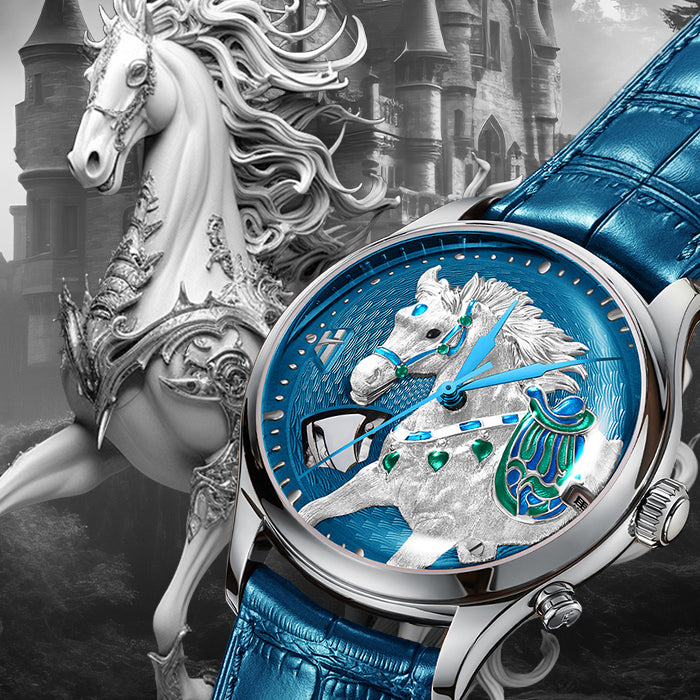
Modern high-craft moonphases use a sculpted, three-dimensional moon — often in meteorite, mother-of-pearl, or hand-engraved gold — that catches light from different angles as it rotates. This is where the moonphase moves from complication to wearable art.
Why Collectors Are Obsessed
The moonphase complication has an almost cult following among collectors, and it usually comes down to four things.
1. It connects you to something ancient. The moon has been a clock for the entire history of human civilisation. Hindu festivals, Islamic months, Chinese New Year, Easter — they all run on the lunar cycle. Owning a moonphase watch is owning a tiny mechanical version of that calendar.
2. It is gloriously useless. Watch enthusiasts love complications that exist purely because they are beautiful. The moonphase has zero practical value for the average wearer — which is exactly its appeal.
3. It rewards patience. Unlike a chronograph that fires off in seconds, a moonphase only meaningfully changes over days. Wearing one teaches you to notice slow change.
4. The dial work is unmatched. Because the moon disc is the visual heart of the watch, manufacturers pour their best craft into it — hand-painted enamel, applied gold appliques, meteorite inlays. The moonphase has become a showcase for dial artistry.
Buying a Moonphase Watch in India
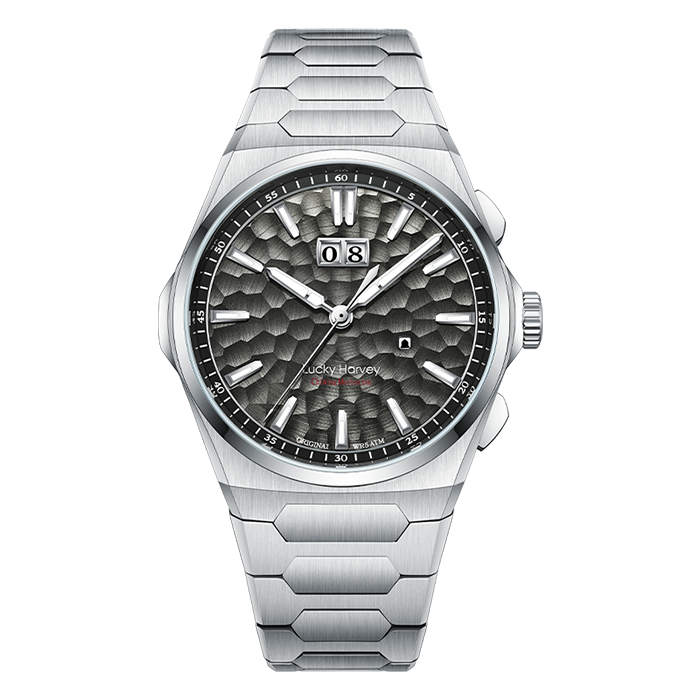
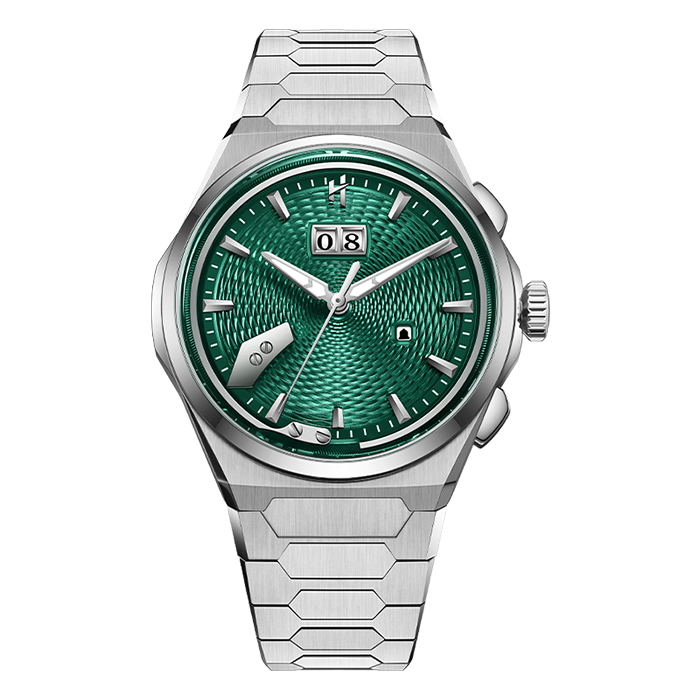
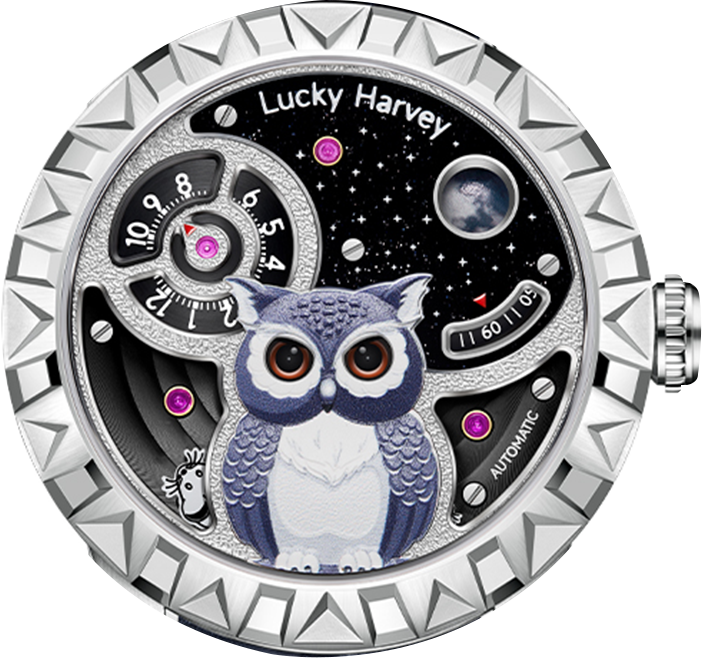
The moonphase complication has historically been the domain of Swiss giants — Patek Philippe, A. Lange & Söhne, Jaeger-LeCoultre — with prices that start around ₹7 lakh and climb into eight figures. For Indian buyers wanting to enter the category without the Swiss markup, independent watchmakers like Lucky Harvey now offer the same complication with comparable build quality at a fraction of the price.
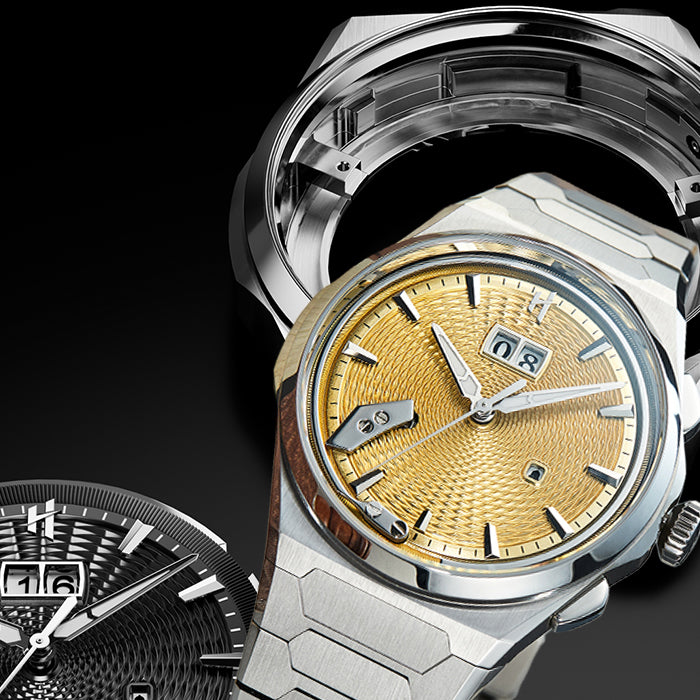
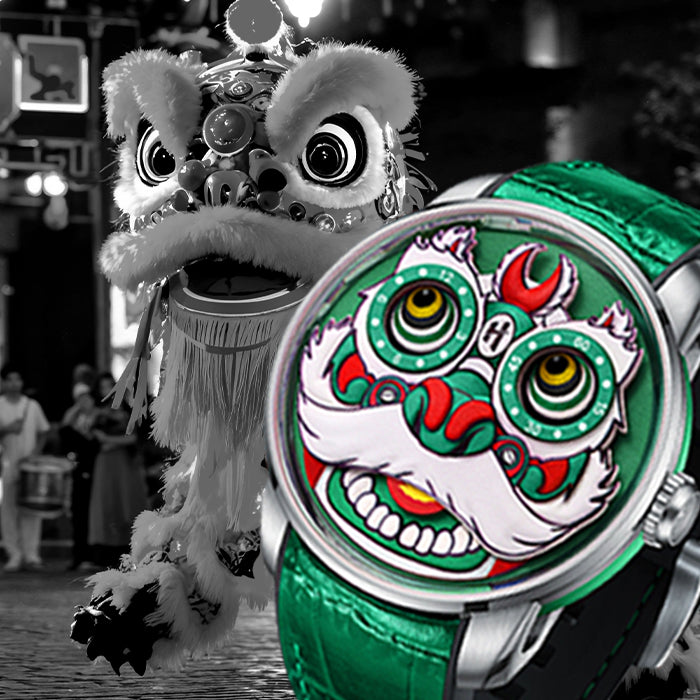
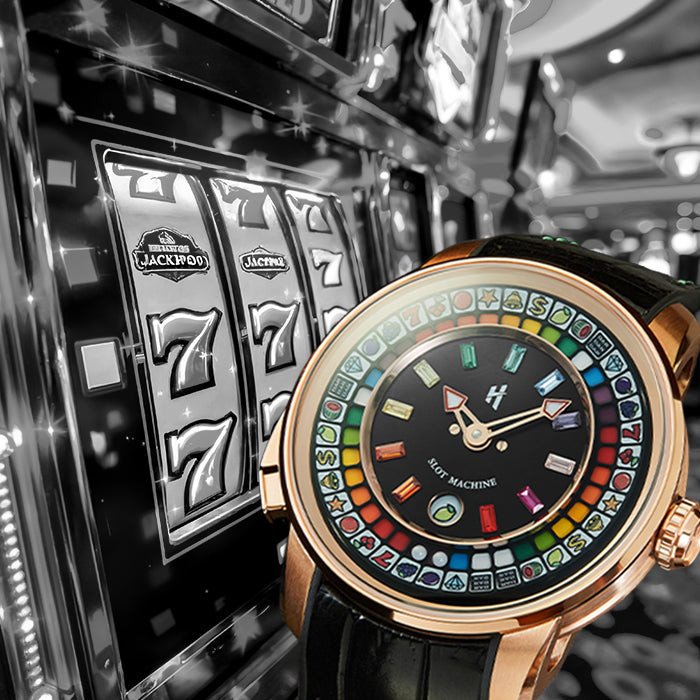
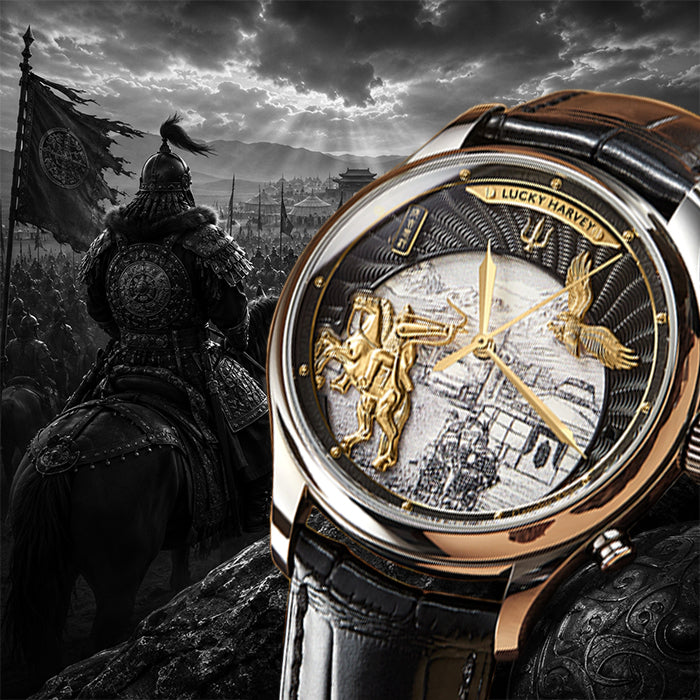
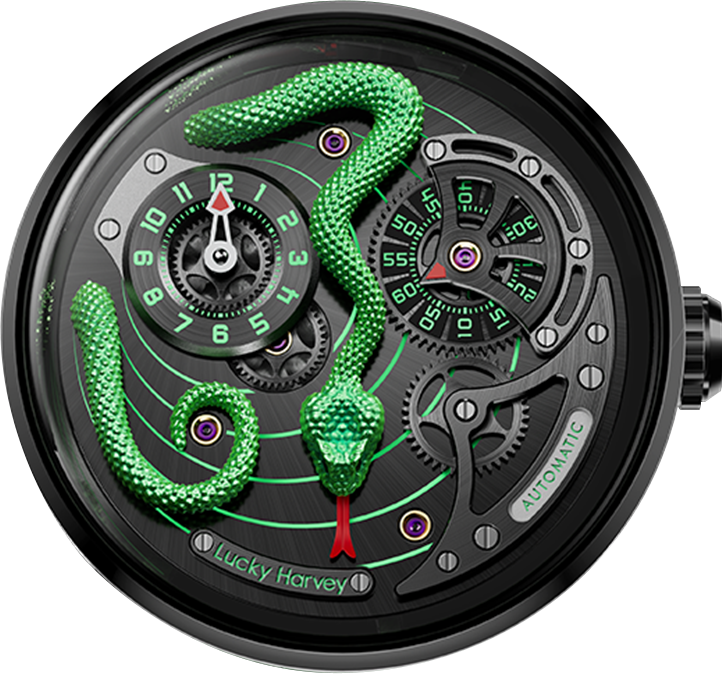
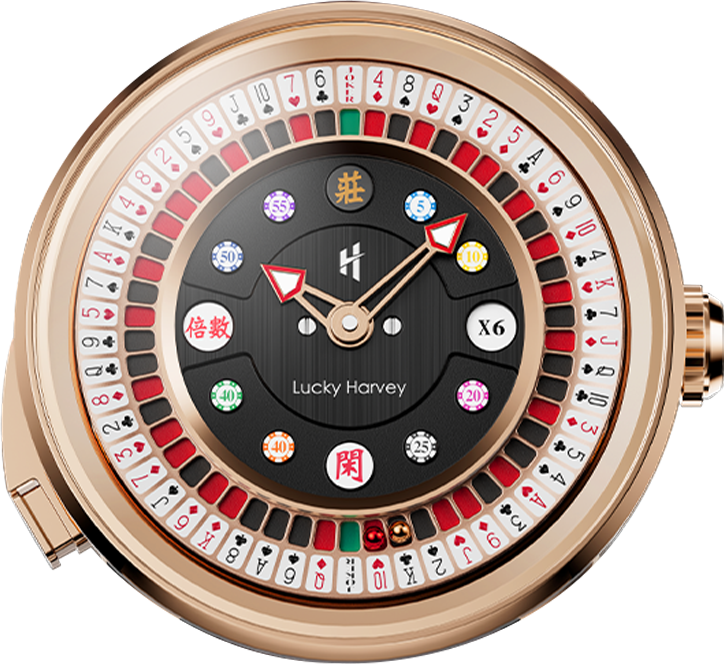
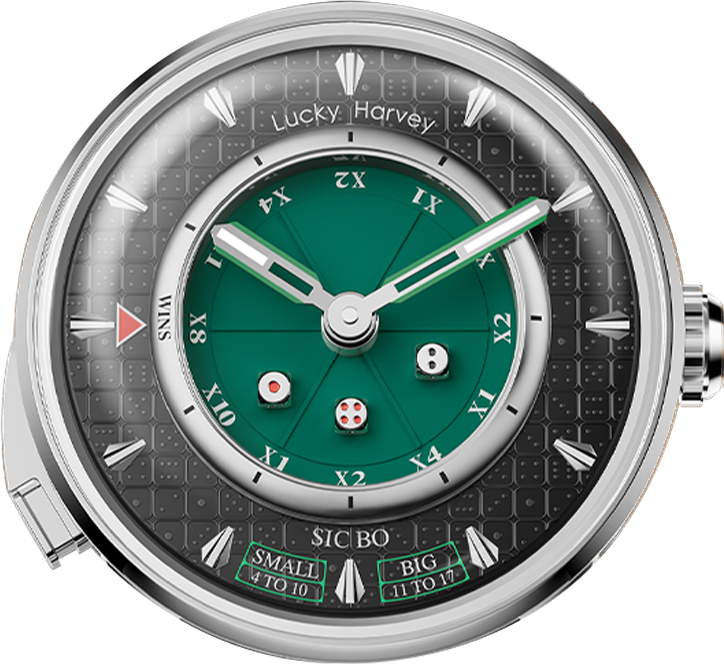
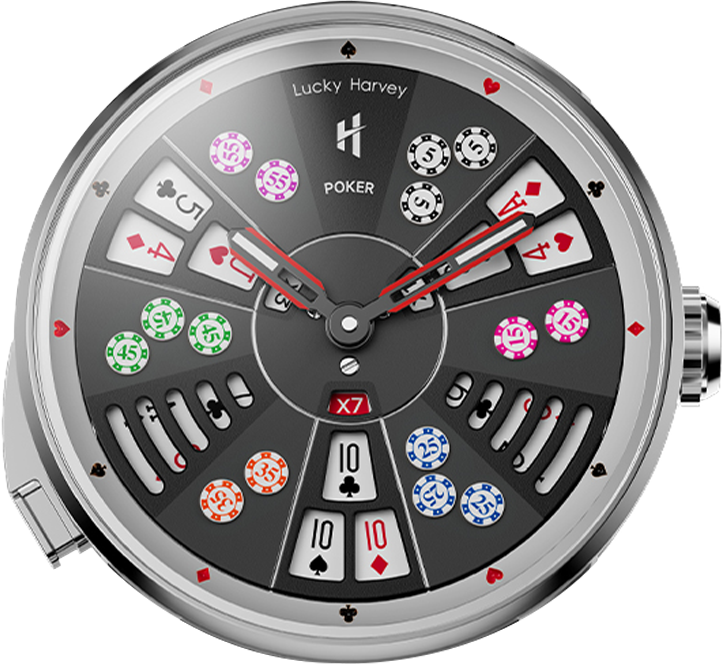
Lucky Harvey's moonphase watch collection features hand-finished moon discs, sapphire crystal protection, and automatic movements with 38–42 hours of power reserve. Every piece is part of a limited production run, with serial numbers engraved on the caseback.
What to Look For
Movement type. An automatic movement is the gold standard — it winds itself through wrist motion and means you never have to reset the moonphase from a stopped watch.
Accuracy class. A standard moonphase drifts about a day every 2.5 years. An astronomical moonphase drifts a day every 100+ years. For most owners, standard is more than enough.
Disc material and finishing. Look at the moon disc under light. Hand-applied gold and hand-painted detailing dramatically outperform printed discs in both appearance and longevity.
Aperture finishing. The frame around the moon should be polished and chamfered, not stamped. This detail separates a well-made moonphase from a budget one.
Sapphire crystal. Essential. The moonphase aperture is the visual centrepiece of the watch, and you want crystal-clear, scratch-resistant glass over it. (More on this in our guide to sapphire crystal.)
How to Set the Moonphase
Setting a moonphase is the most ritualistic act in watch ownership. It takes about three minutes and is genuinely satisfying.
Step 1: Look up the current moon phase for your location (any astronomy app will tell you).
Step 2: Pull the crown to the moonphase-setting position (usually the first stop — check your manual, since pulling too far on a moonphase can damage the gear train).
Step 3: Turn the crown to advance the moonphase disc until it matches the current moon. Always advance the disc — never reverse it, as this can damage the mechanism.
Step 4: Push the crown back in and set the time.
Once set, a well-engineered moonphase will stay accurate for years before needing adjustment.
Pairing the Moonphase With Other Complications
The moonphase often shares its dial with other complications, and certain combinations have become collector classics.
Day-Date + Moonphase — the most useful combination, giving you everyday practicality plus celestial poetry. Lucky Harvey's day-date luxury watches include moonphase variants.
Chronograph + Moonphase — a sporty contradiction. The chronograph is for measuring seconds; the moonphase ignores time entirely. Together they make a statement.
Perpetual Calendar + Moonphase — the holy grail. A perpetual calendar tracks the date including leap years; pair it with a moonphase and the watch becomes a wearable observatory.
Frequently Asked Questions
How accurate is a moonphase watch?
A standard moonphase drifts about one day every 2 years and 7 months. Astronomical moonphases stay accurate for 100+ years between adjustments.
Do I need to reset the moonphase if I stop wearing the watch?
Yes — if the watch stops, the moonphase disc stops too. When you next wind it, you will need to reset the phase to match the current moon.
Can I get a moonphase watch in India?
Yes. Independent makers like Lucky Harvey offer automatic moonphase watches through luckyharveywatch.in. Swiss heritage moonphases are also sold in India at a significant premium.
Is a moonphase watch worth the money?
For collectors, absolutely — it is one of the most beautiful and emotionally resonant complications you can wear. For pure utility, less so. Buy a moonphase because you love the idea of carrying the lunar cycle on your wrist, not because you need to know the moon's phase.
What is the difference between a moonphase and an astronomical moonphase?
A standard moonphase uses a 59-tooth gear and drifts about a day every 2.5 years. An astronomical moonphase uses a 135-tooth wheel and drifts a day every 122 years. The latter is more complex, more expensive, and more accurate.
A Watch That Looks Up
Most watches look down at the wrist. A moonphase watch looks up at the sky. It tells you something most timepieces will not — that there is a slower rhythm running underneath all your appointments and deadlines, and it has been running for 4.5 billion years.
If you collect watches because you love mechanics and meaning in equal measure, the moonphase is probably your next purchase.
Find Your Moonphase Watch
Explore Lucky Harvey's moonphase collection — hand-finished automatic timepieces with sapphire crystal and limited production runs.
Shop Moonphase WatchesSapphire Crystal Watches